There is something quietly moving about an old Hollywood photograph.
Long before red carpets became round-the-clock entertainment and television stars shared their lives online, a single studio portrait could preserve an entire moment in time. The carefully arranged hair, the thoughtful expression, and the soft black-and-white lighting often hinted at dreams that had not yet come true.
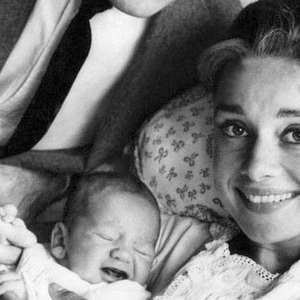
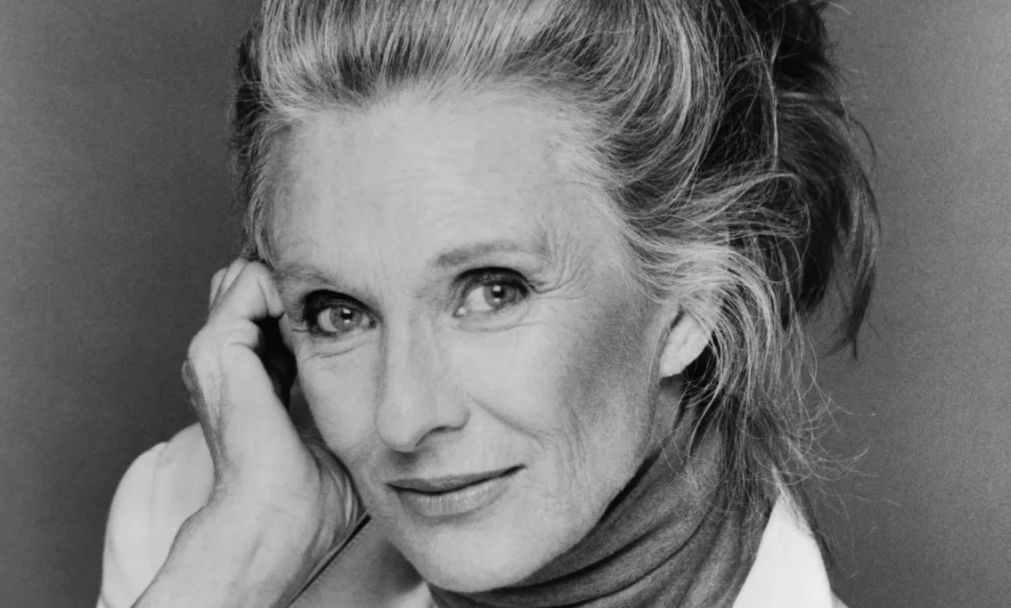
In this rare throwback image, the young woman appears graceful, confident, and almost impossibly composed. At first glance, many viewers may not recognize her. Yet those expressive eyes would eventually become familiar to several generations of American television and movie audiences.
The woman in the photograph is Cloris Leachman, one of the most versatile and enduring performers in American entertainment history.
Her remarkable journey took her from the heartland of Iowa to Broadway, live television, classic sitcoms, acclaimed motion pictures, and an extraordinary late-career resurgence. Whether making viewers laugh, breaking their hearts, or doing both in the same scene, Leachman possessed a gift that never seemed to fade.
A Midwestern Childhood Filled With Possibility
Cloris Leachman was born on April 30, 1926, in Des Moines, Iowa. She was the eldest of three daughters and grew up far from the glamorous world she would one day enter.
Her interest in performing appeared early. As a young girl, she became involved with local theater, and during her teenage years she also worked in radio. Those experiences gave her an introduction to the rhythms of live performance, where mistakes could not be edited and every moment had to feel immediate.
Leachman later attended Northwestern University, where she studied theater. In 1946, she was crowned Miss Chicago and competed in the Miss America pageant. Her talent presentation was not a traditional song or dance routine but a comedy sketch—an early indication that her individuality and sense of humor would always distinguish her from the crowd.
The pageant experience helped her earn scholarship money, but beauty contests were never the final destination. Acting was the real dream.
She eventually moved to New York City and trained at the Actors Studio under Elia Kazan. It was an era when young performers learned their craft through demanding stage work, live broadcasts, and countless auditions rather than instant celebrity.
Video : Cloris Leachman Wins Supporting Actress: 44th Oscars (1972)
Learning Her Craft During Television’s Earliest Years
Leachman began working when American television was still finding its identity.
In those early days, programs were often performed live. Sets were simple, cameras were large, and actors relied heavily on theatrical discipline. The medium required concentration, timing, and courage—qualities Leachman possessed in abundance.
Her first significant film appearance came in the 1955 noir drama Kiss Me Deadly. Over the following years, she moved easily between stage, television, and motion pictures, appearing in Westerns, dramas, mysteries, and family programs.
This was not overnight fame. It was the gradual construction of a career.
Like many character actors of her generation, Leachman became a familiar face before she became a household name. Viewers might not always have known her name, but they remembered the intelligence and intensity she brought to even the smallest role.
The Dramatic Performance That Earned an Oscar
In 1971, Leachman delivered one of the defining performances of her career in Peter Bogdanovich’s The Last Picture Show.
Set in a fading Texas town, the film looked back at small-town America with both affection and sadness. Leachman portrayed Ruth Popper, a lonely woman whose quiet unhappiness gradually comes to the surface.
There was nothing glamorous about the role. Ruth was vulnerable, disappointed, and painfully human. Leachman played her without exaggeration, allowing small changes in her voice and expression to reveal years of unspoken emotion.
The performance earned her the Academy Award for Best Supporting Actress at the 1972 ceremony. The film received eight nominations and won two acting awards, with Ben Johnson also honored in the supporting actor category.
For audiences who knew Leachman primarily as a comedian, the role was a powerful reminder of her dramatic range.
Video : Cloris Leachman Competed in the 1946 Miss America Pageant
Becoming a Favorite in America’s Living Rooms
Although her Oscar established her as a major film actress, television made Cloris Leachman feel like part of the American family.
During the 1970s, she appeared as Phyllis Lindstrom on The Mary Tyler Moore Show. Phyllis could be self-important, dramatic, nosy, and completely unaware of her own absurdity. In less capable hands, the character might have become unpleasant. Leachman made her irresistible.
She understood that the funniest characters rarely believe they are being funny. Phyllis treated every minor inconvenience as though it were a matter of historic importance, and Leachman played each moment with complete conviction.
The role became so popular that Phyllis received her own television series. For viewers who remember gathering around the family television set each week, Leachman remains closely connected to a special period in American comedy—an era of memorable ensembles, clever writing, and characters who felt like neighbors.
Her portrayal earned two consecutive Primetime Emmy Awards, further establishing her as one of the era’s finest comedic performers.
A Face Made for Classic Comedy
Leachman’s ability to move from heartbreaking drama to outrageous comedy was rare.
One of her most memorable film roles came in Mel Brooks’ 1974 comedy Young Frankenstein. As the mysterious Frau Blücher, she created an unforgettable character through severe expressions, dramatic pauses, and wonderfully precise timing.
She later worked with Brooks again in High Anxiety and History of the World: Part I. These roles introduced her to moviegoers who may never have seen her earlier stage or television work.
What made Leachman special was her willingness to look foolish, stern, vain, frightened, or completely unpredictable. She did not protect her image at the expense of a performance.
That fearlessness gave her comedy an unusual energy. Even when she had only a few minutes on screen, she often left audiences remembering her long after the credits ended.
Winning Over New Generations
Many performers become permanently associated with one decade. Cloris Leachman repeatedly found new audiences.
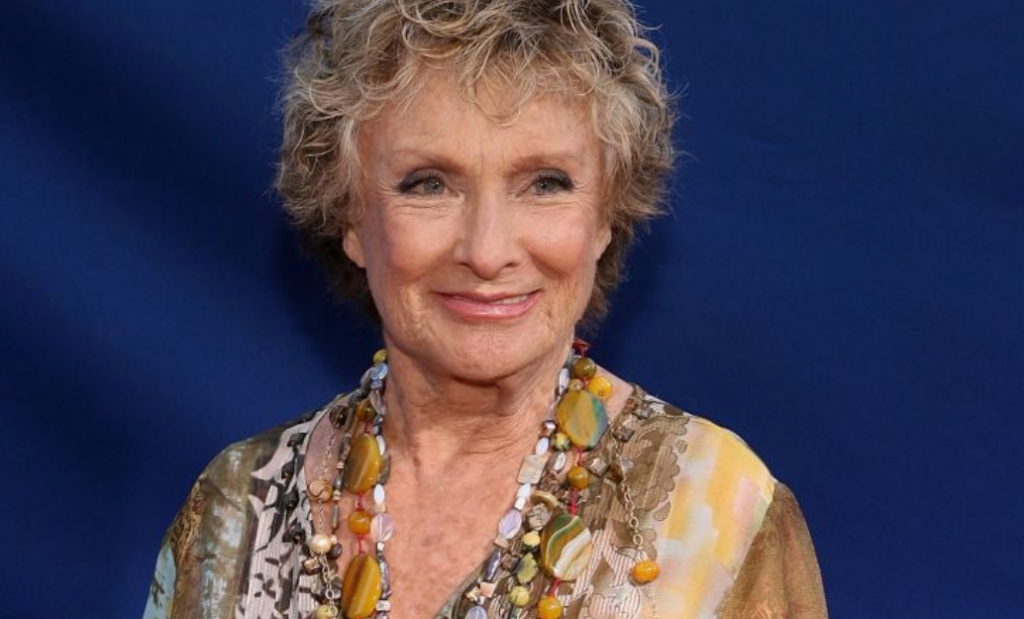
Older viewers remembered her from early television and The Mary Tyler Moore Show. Movie lovers admired her Oscar-winning dramatic work and her collaborations with Mel Brooks. Younger audiences discovered her as Grandma Ida on Malcolm in the Middle and later as Maw Maw on Raising Hope.
Her Grandma Ida was sharp-tongued, intimidating, and wonderfully unpredictable. The performance earned Leachman additional Emmy Awards decades after her first television triumphs.
Across her career, she won eight Primetime Emmys, one Daytime Emmy, and one Academy Award. She was inducted into the Television Academy Hall of Fame in 2011. Remarkably, she appeared on television in every decade from the 1940s through the 2010s.
Few performers have remained relevant for so long without losing the qualities that made them distinctive.
Refusing to Disappear With Age
Hollywood has not always known what to do with women as they grow older. Leachman answered that problem by continuing to work.
At 82, she competed on Dancing with the Stars, approaching the physically demanding experience with the same humor and fearlessness that defined her acting career. Near the age of 90, she accepted a role in the fantasy series American Gods.
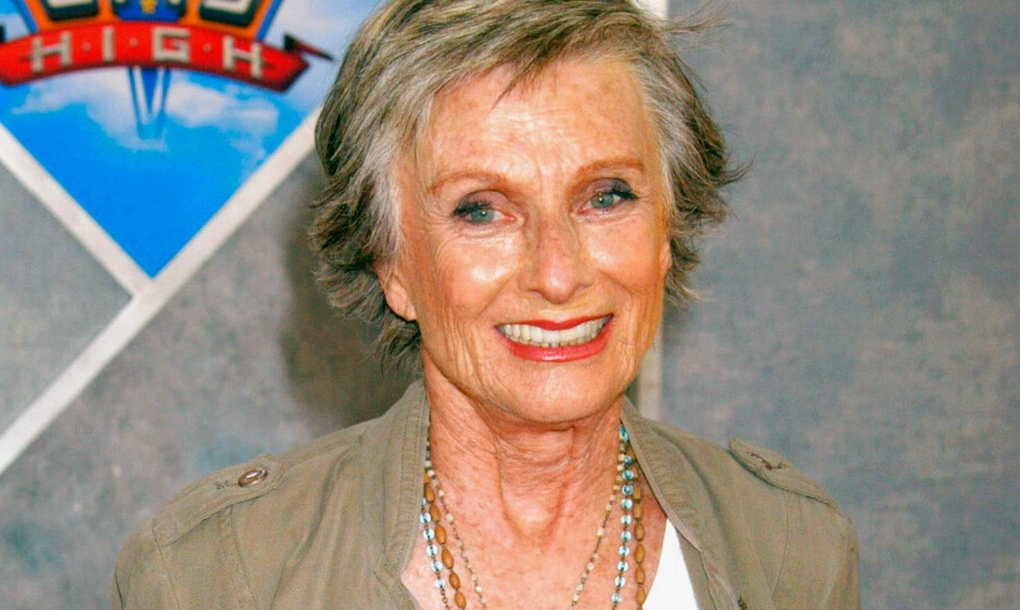
She did not treat aging as an apology or a retreat from public life. Her silver hair, expressive face, and mischievous personality became part of her appeal.
Her later appearances offered something increasingly rare on screen: an older woman allowed to be eccentric, energetic, complicated, and funny rather than quietly pushed into the background.
For many viewers, that was as inspiring as any award.
The Enduring Warmth of a Familiar Face
Cloris Leachman died on January 27, 2021, at the age of 94. By then, her professional life had stretched across more than seven decades.
Yet photographs like this youthful portrait remind us that every celebrated career begins with uncertainty.
The young woman looking into the camera could not have known that she would someday hold an Oscar, collect nine Emmy Awards across Primetime and Daytime television, and become part of countless family memories.
She could not have known that audiences born decades apart would each discover a different version of her—or that all of those versions would feel equally authentic.
That may be the most meaningful part of Cloris Leachman’s legacy.
She was never limited to being the beautiful young actress in an old photograph, the lonely woman in a celebrated drama, the hilariously difficult neighbor on a beloved sitcom, or the outspoken grandmother who delighted a younger generation.
She was all of them.
And whenever an old episode or classic movie brings her face back to the screen, it feels less like watching a performer from the past and more like welcoming an unforgettable old friend home.